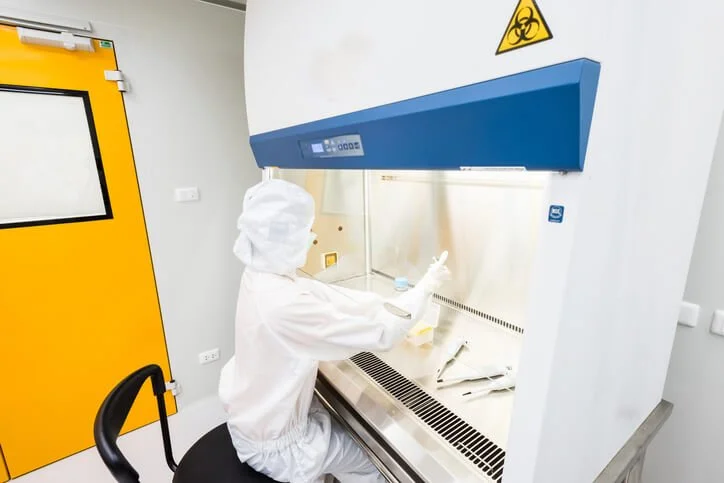
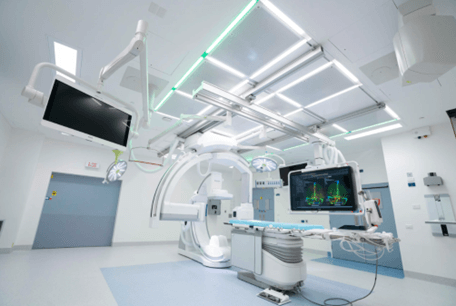
HEPA FILTER TESTING
HEPA FILTER TESTING
/
FUME CUPBOARD TESTING
/
BIOLOGICAL SAFETY CABINETS
/
CLEAN WORK STATIONS
/
CYTOTOXIC DRUG SAFETY CABINETS TESTING
/
CLEANROOM VALIDATION
/
HEPA FILTER TESTING / FUME CUPBOARD TESTING / BIOLOGICAL SAFETY CABINETS / CLEAN WORK STATIONS / CYTOTOXIC DRUG SAFETY CABINETS TESTING / CLEANROOM VALIDATION /
HEPA filter testing is essential for maintaining the integrity of your controlled environment. Even the highest-quality filters can develop leaks through manufacturing defects, incorrect installation, or natural wear over time. As filters accumulate contaminants, their efficiency can be compromised, putting your entire operation at risk.
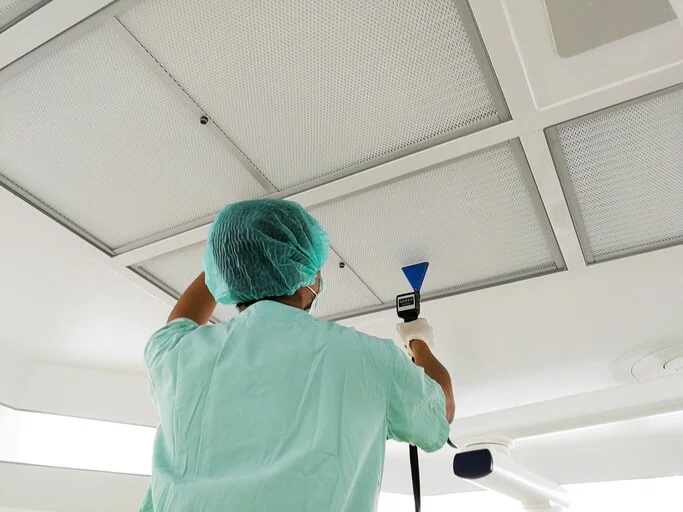

The Consequences
of Undetected Filter Failure Include:
• Contamination of critical processes
• Product quality issues
• Regulatory non-compliance
• Expensive production shutdowns
Accredited testing
you can trust.
Routine integrity testing and pressure drop monitoring reduce these risks, keeping systems reliable and operations running smoothly.
AG&G Services is NATA-accredited to perform comprehensive HEPA filter testing using both DPC and DOP methods, ensuring full compliance with:
• AS 1807 Clause 4.4
• AS ISO 14644.3 - Method B.7
• AS 1807.7
Our reports provide clear, audit-ready evidence that your filtration systems are performing as designed.
-
On-site commissioning: Before any equipment enters service
After filter replacement: Verifying new filters perform to specification
Following relocation: Confirming integrity after workstations or cabinets are moved
-
After electrical maintenance: Ensuring system integrity remains intact
After mechanical maintenance: Verifying no damage occurred during service
-
Annual verification: Minimum requirement for ongoing performance assurance
Regulatory compliance: As mandated by GMP codes or governing authorities
-
Operational changes: When processes are significantly modified
Performance concerns: If reduced operation is suspected or detected
Post-incident verification: Following any event that may affect filter integrity
AG&G Services can help you develop a tailored testing schedule aligned to your operational needs and regulatory requirements.
What makes us different
/01
FORENSIC DOCUMENTATION
Every test report is audit-ready, with calibrated equipment, references and detailed analysis.
/02
STRATEGIC INSIGHTS
We identify optimisation opportunities and recommend preventative measures before issues arise.
/03
QUALITY GUARANTEE
Replacement parts always meet or exceed original specifications.
/04
CUSTOM PROTECTION PLANS
Maintenance programs tailored to your operations and risk profile.
/05
CUSTOMER-FIRST PHILOSOPHY
Responsive service and a focus on ensuring your needs meet evolving contamination control standards.

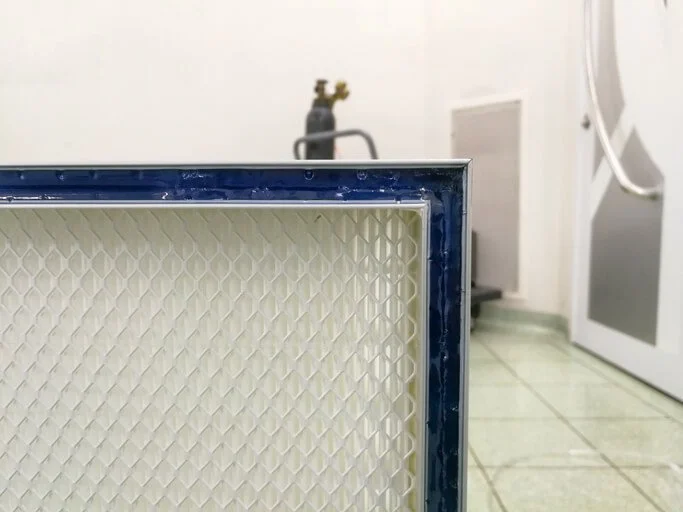

While others offer testing services, we deliver compliance assurance.
Your controlled environments are too critical to trust to anyone else.
Our HEPA Filter Testing Process
Our testing process is designed to be accurate, compliant, and minimally disruptive to your operations.
Site Inspection & Preparation
We assess your cleanroom or controlled environment before testing begins.
HEPA Filter Integrity Test
We perform a full HEPA integrity test using calibrated equipment to identify leaks, damage, or airflow issues.
Performance Verification
We test filtration efficiency and airflow performance to ensure compliance with AS/ISO standards.
Reporting & Certification
You receive a detailed compliance report and certification confirming system performance.
Recommendations (if required)
If any issues are found, we provide clear corrective actions to restore compliance.
Why Regular HEPA Filter Testing is Critical for Compliance and Safety
Regular HEPA filter testing services are not just a maintenance requirement; they are a core part of maintaining contamination control in high-risk environments such as hospitals, pharmaceutical manufacturing, laboratories, and cleanrooms.
HEPA filters remove microscopic airborne particles that can compromise patient safety, product integrity, and research accuracy. Over time, filters can develop leaks, seal failures, or performance degradation that is not visible during normal operation.
This is why routine HEPA filter integrity tests are essential. They ensure that air is not bypassing the filtration system and that your controlled environment continues to meet strict AS/ISO standards.
Through scheduled HEPA validation, facilities can confirm that their entire filtration system is performing correctly under real operating conditions. This helps prevent contamination events, reduces audit risk, and ensures continuous compliance with regulatory requirements.
Explore More Services
AG&G Services provides a full range of contamination control compliance services:
Fume Cupboard Testing →
Our testing ensures that airflow, extraction performance, and containment efficiency are operating correctly. This helps maintain workplace safety and compliance with laboratory safety standards.
Biological Safety Cabinets Testing →
Our testing verifies airflow integrity, filtration performance, and containment efficiency to ensure safe laboratory operations and regulatory compliance.
Clean Work Stations →
We test airflow direction, particulate levels, and system performance to ensure the workspace remains suitable for sterile or precision-based work.
Cytotoxic Drug Safety Cabinets Testing →
Our testing ensures full containment, safe airflow balance, and protection for staff handling high-risk medications, in line with strict safety standards.
Cleanroom Validation →
Cleanroom validation confirms that your controlled environment meets required AS/ISO standards for particle control, airflow, pressure differentials, and environmental stability.
FAQS
1. What is HEPA filter testing and why is it important?
HEPA filter testing is a compliance procedure used to verify that HEPA filters effectively capture airborne particles and prevent contamination. It is important because even small filter failures can compromise cleanroom integrity and lead to safety or compliance risks.
2. What is included in a HEPA filter integrity test?
A HEPA filter integrity test typically includes leak detection, seal inspection, airflow analysis, and performance verification. The goal is to ensure that all air passing through the system is properly filtered, with no bypass leakage.
3. What is HEPA validation in controlled environments?
HEPA validation is a broader compliance process that confirms the entire filtration system meets required AS/ISO standards. It includes testing airflow patterns, particle counts, pressure differentials, and overall system performance.
4. How often should HEPA filter testing services be carried out?
Most facilities require HEPA filter testing every 6 to 12 months. However, high-risk environments such as sterile pharmaceutical production or operating theatres may require more frequent testing depending on internal risk assessments and regulatory requirements.
5. What is the regulatory and compliance framework for HEPA testing in Australia?
HEPA filter testing is governed by multiple standards, including:
- AS/ISO 14644 (Cleanrooms and controlled environments)
- AS 1807 (Testing methods for cleanrooms)
- GMP (Good Manufacturing Practice) guidelines
- Industry-specific accreditation requirements (healthcare, pharma, research)
This framework ensures all testing is consistent, traceable, and suitable for audit purposes.
6. Why is NATA accreditation required for HEPA filter testing?
NATA accreditation ensures that testing is performed to nationally recognised scientific standards. It guarantees that results are:
- Legally accepted by regulators and auditors
- Technically accurate and independently verified
- Traceable and reproducible
Without NATA accreditation, HEPA filter test results may not be accepted during compliance audits or certification reviews.